

Chinese Conversation · Level 5
89 words
Search Chinese words by characters, pinyin or English meaning.
Dictionaries
Quick links
Browse
 MotiSpiOfficial conversation app

Chinese word
Pinyintuō pí
昨天晒太阳把手臂晒得脱皮了。zuó tiān shài tài yáng bǎ shǒu bì shài de tuō pí le
The sun made the skin on my arm peel yesterday.
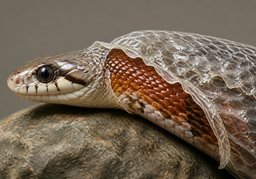
墙上的油漆开始脱皮。qiáng shàng de yóu qī kāi shǐ tuō pí
The paint on the wall began to peel.
An old outer layer comes loose and falls away, leaving fresh skin or tissue visible underneath.
晒伤后脱皮shài shāng hòu tuō pí
skin peeling after sunburn
油漆脱皮了yóu qī tuō pí le
Paint peeled
脚后跟脱皮了jiǎo hòu gēn tuō pí le
Skin peeled on the heel
掉皮diào pí: Surface skin flakes or comes off in separate patches.
起皮qǐ pí: A surface develops loose, raised patches that start to peel away.
蜕皮tuì pí: An animal sheds its old outer skin to reveal a new one.
动物或人的表皮脱落旧的表层,使下面的新皮或组织显露。dòng wù huò rén de biǎo pí tuō luò jiù de biǎo céng shǐ xià miàn de xīn pí huò zǔ zhī xiǎn lù
脱 (tuō, "to shed or remove") + 皮 (pí, "skin") combines the act of coming off with the outer covering that comes off.