

Chinese Conversation · Level 65
90 words
Search Chinese words by characters, pinyin or English meaning.
Dictionaries
Quick links
Browse
 MotiSpiOfficial conversation app

Chinese word
Pinyinmài bó
医生说她的脉搏很快。yī shēng shuō tā de mài bó hěn kuài
The doctor said her pulse was fast.
运动后,她的脉搏逐渐变慢。yùn dòng hòu tā de mài bó zhú jiàn biàn màn
After exercise, her pulse gradually slowed down.
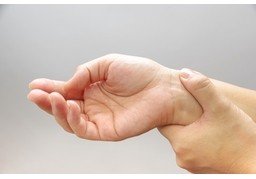
The body-surface sign of each heartbeat: a repeating beat that can be felt and counted.
脉搏很快mài bó hěn kuài
rapid pulse
测量脉搏率cè liáng mài bó lǜ
measure the pulse rate
脉搏缓慢mài bó huǎn màn
slow pulse
脉mài: A spoken short form for the regular beat of a blood vessel that can be felt at the body's surface.
心跳xīn tiào: The heart's beating movement as it sends blood through the body, felt as an inner beat.
心率xīn lǜ: The number of heartbeats counted in a given amount of time.
血压xuè yā: A numerical measure of the pressure that blood puts on blood vessel walls.
脉搏是血管随心脏节律跳动在体表形成的可触知的、有规律的振动,可通过触诊来估计心率和循环状况。mài bó shì xuè guǎn suí xīn zàng jié lǜ tiào dòng zài tí biǎo xíng chéng de kě chù zhī de yǒu guī lǜ de zhèn dòng kě tōng guò chù zhěn lái gū jì xīn lǜ hé xún huán zhuàng kuàng
脉 (mài, "blood vessel") + 搏 (bó, "beat") gives a direct picture of a vessel beating in time with the heart.