

Chinese Conversation · Level 27
90 words
Search Chinese words by characters, pinyin or English meaning.
Dictionaries
Quick links
Browse
 MotiSpiOfficial conversation app

Chinese word
Pinyingē bó
胳膊受伤了。gē bó shòu shāng le
My arm is injured.
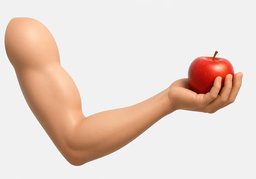
他把手搭在她的胳膊上。tā bá shǒu dā zài tā de gē bó shàng
He placed his hand on her arm.
The body's shoulder-to-hand limb, used as a flexible tool for lifting, holding, and reaching.
挂在胳膊上guà zài gē bó shàng
hang on one's arm
胳膊疼gē bó téng
have an aching arm
抱着胳膊bào zhe gē bó
hold one's arm
手shǒu: The part beyond the wrist that grasps objects and touches things.
手臂shǒu bì: A standard written term for the shoulder-to-hand part of the body.
臂bì: A literary written term for the shoulder-to-hand part of the body.
人体从肩部至手的肢体部分,包含上臂与前臂,主要用于举、抱、抓等动作。rén tǐ cóng jiān bù zhì shǒu de zhī tǐ bù fèn bāo hán shàng bì yǔ qián bì zhǔ yào yòng yú jǔ bào zhuā děng dòng zuò
胳膊 (gēbó, "arm") is a fixed colloquial body-part compound, and the 月 (ròu, "flesh") component in both characters provides a visible clue to its meaning.