

HSK · Level 61
105 words
Search Chinese words by characters, pinyin or English meaning.
Dictionaries
Quick links
Browse
 MotiSpiOfficial conversation app

Chinese word
Pinyinhú tòngr
他住在北京的胡同儿里。tā zhù zài běi jīng de hú tòngr lǐ
He lives in an alley in Beijing.
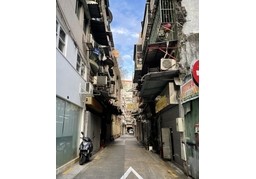
胡同儿正在被修缮,老房子换了新瓦。hú tòngr zhèng zài bèi xiū shàn lǎo fáng zi huàn le xīn wǎ
The alley is under repair, and the old houses have new roof tiles.
The close, narrow space between rows of city homes, used as a local way through.
保护胡同儿bǎo hù hú tòngr
preserve an alley
胡同儿风貌hú tòngr fēng mào
alleyway appearance
改造胡同儿gǎi zào hú tòngr
renovate an alley
胡同hú tòng: A traditional residential lane between homes, especially in northern China.
小巷xiǎo xiàng: A short, narrow passage through a city or residential area.
里弄lǐ lòng: A network of narrow lanes in an old residential area, mainly in southern China.
口语中常用的名词,带儿化,指城市旧区或居民区内房屋之间狭窄的通道或小巷,主要作为居民出入和日常生活的通道。kóu yǔ zhōng cháng yòng de míng cí dài ér huà zhǐ chéng shì jiù qū huò jū mín qū nèi fáng wū zhī jiān xiá zhǎi de tōng dào huò xiǎo xiàng zhǔ yào zuò wéi jū mín chū rù hé rì cháng shēng huó de tōng dào
胡同儿 (hútòngér, "alley") is based on 胡同 (hútòng, "alley"), generally linked to a Mongolian borrowing, while 儿化 (érhuà, "r-sound suffixing") gives it a northern conversational sound.