

Chinese Conversation · Level 20
90 words
Search Chinese words by characters, pinyin or English meaning.
Dictionaries
Quick links
Browse
 MotiSpiOfficial conversation app

Chinese word
Pinyintāi jì
她脸上有一个明显的胎记。tā liǎn shàng yǒu yí gè míng xiǎn de tāi jì
She has a noticeable birthmark on her face.
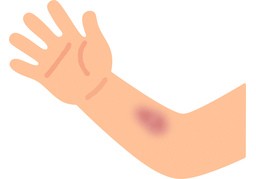
宝宝背上有一块小小的胎记。báo bǎo bèi shàng yǒu yí kuài xiáo xiǎo de tāi jì
The baby has a small birthmark on their back.
A lasting spot or shape on the skin that begins during fetal development and stays from birth.
脸上有胎记liǎn shàng yǒu tāi jì
have a birthmark on the face
身上有胎记shēn shàng yǒu tāi jì
have a birthmark on the body
胎记很明显tāi jì hěn míng xiǎn
the birthmark is noticeable
痣zhì: A round or dot-like mark on the skin, either flat or raised, present from birth or appearing later.
斑bān: An uneven patch or scattering of color on the skin or another surface.
出生时或出生后即存在的、胎儿发育时在皮肤上形成的颜色或形状的斑点或印记。chū shēng shí huò chū shēng hòu jí cún zài de tāi ér fā yù shí zài pí fū shàng xíng chéng de yán sè huò xíng zhuàng de bān diǎn huò yìn jì
胎记 (tāijì, "birthmark") combines 胎 (tāi, "fetus") + 记 (jì, "mark") to name a mark associated with the fetal stage.