

Chinese Conversation · Level 12
90 words
Search Chinese words by characters, pinyin or English meaning.
Dictionaries
Quick links
Browse
 MotiSpiOfficial conversation app

Chinese word
Pinyinbèi duì
他总是背对我。tā zǒng shì bèi duì wǒ
He always has his back to me.
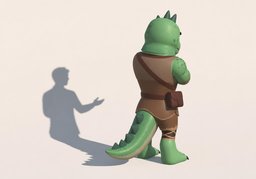
孩子生气了,背对着妈妈站着。hái zi shēng qì le bèi duì zhe mā mā zhàn zhe
The child got angry and stood with his back to his mother.
The body turns so that its back faces another person rather than its front.
背对我bèi duì wǒ
have one's back to me
背对着门bèi duì zhe mén
have one's back to the door
背对墙bèi duì qiáng
have one's back to the wall
转过身zhuǎn guò shēn: Turn the body around to face backward or in another direction.
无视wú shì: Pretend not to notice someone or what they say and avoid engaging with them.
身体或头部转向相反方向,使背部朝着对方,既可指一时动作,也可表示持续状态(常与“着”连用)。shēn tǐ huò tóu bù zhuǎn xiàng xiāng fǎn fāng xiàng shǐ bèi bù cháo zhe duì fāng jì kě zhǐ yì shí dòng zuò yě kě biǎo shì chí xù zhuàng tài cháng yǔ zhe lián yòng
背 (bèi, "back") supplies the body part, while 对 (duì, "face or be toward") marks the direction, creating a compound about the back facing another person.