

HSK · Level 117
45 words
Search Chinese words by characters, pinyin or English meaning.
Dictionaries
Quick links
Browse
 MotiSpiOfficial conversation app

Chinese word
Pinyinzhàng
吃太多,我的肚子就会胀。chī tài duō wǒ de dǔ zi jiù huì zhàng
If I eat too much, my stomach gets bloated.
一整天站着,脚会越来越胀。yì zhěng tiān zhàn zhe jiǎo huì yuè lái yuè zhàng
Standing all day will make your feet swell more and more.
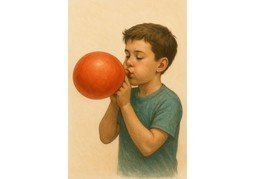
Something fills from within until its surface feels stretched and its shape expands.
肚子胀dǔ zi zhàng
belly bloating
胃胀wèi zhàng
stomach bloating
手指胀shóu zhǐ zhàng
swollen fingers
膨胀péng zhàng: Increase in overall size because heat or pressure increases the volume of an object or gas.
肿zhǒng: Swell in a specific area because injury or inflammation traps fluid or blood in the tissue.
扩张kuò zhāng: Widen or spread out, especially in an area, space, or blood vessel.
因内部充满气体、液体或压力增大而使身体部位或物体鼓起、体积变大的动作或状态yīn nèi bù chōng mǎn qì tǐ yè tǐ huò yā lì zēng dà ér shǐ shēn tǐ bù wèi huò wù tǐ gú qǐ tǐ jī biàn dà de dòng zuò huò zhuàng tài
The simplified character 胀 (zhàng, "bloat") comes from 脹 (zhàng, "bloat"), with 月 (yuè, "flesh") indicating a bodily connection and 張 (zhāng, "stretch") supplying the pronunciation.