

Chinese Conversation · Level 23
90 words
Search Chinese words by characters, pinyin or English meaning.
Dictionaries
Quick links
Browse
 MotiSpiOfficial conversation app

Chinese word
Pinyinjiān bǎng
他把包挂在肩膀上。tā bǎ bāo guà zài jiān bǎng shàng
He hangs the bag over his shoulder.
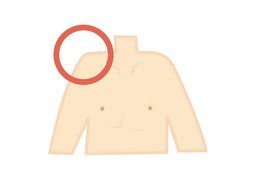
今天搬完东西后,我的肩膀很酸。jīn tiān bān wán dōng xī hòu wǒ de jiān bǎng hěn suān
After I finished moving things today, my shoulder was very sore.
Where the neck meets the arm, a jointed area that carries weight and helps the arm move.
扛在肩膀上káng zài jiān bǎng shàng
carry on one's shoulder
按摩肩膀àn mó jiān bǎng
massage the shoulder
肩膀酸痛jiān bǎng suān tòng
sore shoulder
活动肩膀huó dòng jiān bǎng
move the shoulder
肩jiān: The area between the neck and upper arm where clothing or bags rest.
位于颈部与上臂之间的一块身体部位,包含肩关节周围的肌肉与皮肤,常用于表示承受或支撑的位置。wèi yú jǐng bù yǔ shàng bì zhī jiān de yí kuài shēn tǐ bù wèi bāo hán jiān guān jié zhōu wéi de jī ròu yǔ pí fū cháng yòng yú biǎo shì chéng shòu huò zhī chēng de wèi zhì
The compound 肩膀 (jiānbǎng, "shoulder") joins 肩 (jiān, "shoulder") and 膀 (bǎng, "upper arm") to name the connected area around the shoulder joint.