

HSK · Level 77
45 words
Search Chinese words by characters, pinyin or English meaning.
Dictionaries
Quick links
Browse
 MotiSpiOfficial conversation app

Chinese word
Pinyinzhī tǐ
车祸后他的肢体活动受限。chē huò hòu tā de zhī tǐ huó dòng shòu xiàn
After the car accident, he has limited movement in his limbs.
康复训练能改善他的肢体活动能力。kāng fù xùn liàn néng gǎi shàn tā de zhī tǐ huó dòng néng lì
Rehabilitation training can improve his ability to move his limbs.
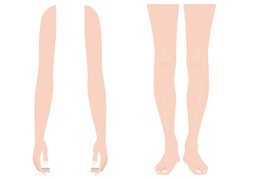
The body parts that extend from the trunk, especially the arms and legs, and help the body move.
肢体动作zhī tǐ dòng zuò
limb movements
肢体功能zhī tǐ gōng néng
limb function
肢体活动zhī tǐ huó dòng
limb activity
四肢sì zhī: The four limbs of the body: the two arms and the two legs.
手足shǒu zú: The hands and feet as a familiar everyday expression.
手脚shóu jiǎo: The hands and legs as a casual spoken expression.
指人的手和脚等身体的四肢部分。zhǐ rén de shǒu hé jiǎo děng shēn tǐ de sì zhī bù fèn
肢 (zhī, "limb") + 体 (tǐ, "body") combines a specific body part with the whole body to form a term for the body's arms and legs.