

HSK · Level 10
135 words
Search Chinese words by characters, pinyin or English meaning.
Dictionaries
Quick links
Browse
 MotiSpiOfficial conversation app

Chinese word
Pinyinfá
老师罚他写十遍作文。lǎo shī fá tā xiě shí biàn zuò wén
The teacher punished him by making him write the essay ten times.
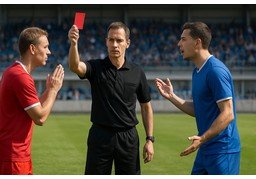
老师让捣乱的学生在教室里罚站。lǎo shī ràng dǎo luàn de xué shēng zài jiào shì lǐ fá zhàn
The teacher punished the student who was causing trouble by making him stand in the classroom.
A person who breaks a rule is made to bear a consequence meant to stop the behavior, such as money, extra work, or another penalty.
罚站fá zhàn
stand as punishment
罚他fá tā
punish him
受罚shòu fá
receive punishment
惩罚chéng fá: To give someone a punishment meant to correct or prevent bad behavior.
处罚chǔ fá: To officially penalize someone for violating a rule or law.
罚款fá kuǎn: To require someone to pay money because of a violation or fault.
处分chǔ fèn: To take formal disciplinary action against someone in a workplace or organization.
对违反规定或行为不当的人施加惩罚以纠正或制止其行为,方式可为罚款、记过、责令完成额外任务等。duì wéi fǎn guī dìng huò xíng wéi bú dàng de rén shī jiā chéng fá yǐ jiū zhèng huò zhì zhǐ qí xíng wéi fāng shì kě wèi fá kuǎn jì guò zé lìng wán chéng é wài rèn wù děng
罚 (fá, "punish; fine") is the simplified form of a long-established Chinese character for imposing a penalty, so its meaning covers both general punishment and fines.