

HSK · Level 59
105 words
Search Chinese words by characters, pinyin or English meaning.
Dictionaries
Quick links
Browse
 MotiSpiOfficial conversation app

Chinese word
Pinyinquē shī
他的记忆中缺失了那一段。tā de jì yì zhōng quē shī le nà yí duàn
That part is missing from his memory.
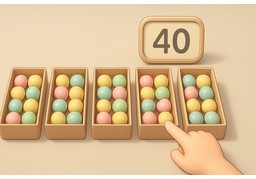
在处理问卷时,有些答案因为填写错误而缺失。zài chú lǐ wèn juàn shí yǒu xiē dá àn yīn wèi tián xiě cuò wù ér quē shī
When processing the questionnaire, some answers are missing because they were filled out incorrectly.
A part that should be there is gone, leaving the whole incomplete or unable to work properly.
数据缺失shù jù quē shī
missing data
证据缺失zhèng jù quē shī
missing evidence
记忆缺失jì yì quē shī
missing memory
缺少quē shǎo: Not having enough of a needed amount or element.
忘记wàng jì: Failing to remember something that was once known.
丢失diū shī: Losing an item or data so that it is no longer in one's possession.
遗失yí shī: Losing an item or document, expressed in a formal way.
某一部分未能存在或已被失去,造成整体的不完整或功能的缺落,多用于描述资料、记忆或系统功能方面的缺漏。mǒu yí bù fèn wèi néng cún zài huò yǐ bèi shī qù zào chéng zhéng tǐ de bù wán zhěng huò gōng néng de quē luò duō yòng yú miáo shù zī liào jì yì huò xì tǒng gōng néng fāng miàn de quē lòu
缺失 (quēshī, "be missing") combines 缺 (quē, "be short of or have a gap") and 失 (shī, "lose"), presenting a missing part as something lost from the whole.