

HSK · Level 75
60 words
Search Chinese words by characters, pinyin or English meaning.
Dictionaries
Quick links
Browse
 MotiSpiOfficial conversation app

Chinese word
Pinyinjì ér
他完成了报告,继而休息了一会儿。tā wán chéng le bào gào jì ér xiū xī le yí huìr
He finished the report, then rested for a while.
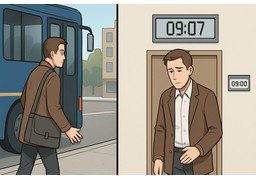
公司发布了新方案,继而引发了广泛讨论。gōng sī fā bù le xīn fāng àn jì ér yǐn fā le guǎng fàn tǎo lùn
The company announced a new plan, then sparked widespread discussion.
A completed step opens straight into the next step, creating an unbroken forward movement in time.
继而出现jì ér chū xiàn
then appear
继而导致jì ér dǎo zhì
then cause
继而发展为jì ér fā zhǎn wèi
then develop into
继而采取行动jì ér cái qǔ xíng dòng
then take action
然后rán hòu: Marks a later action or event in an ordered sequence.
随后suí hòu: Shows that one event follows another in time.
于是yú shì: Shows that an earlier event or situation brings about the next event or decision.
接着jiē zhe: Signals that another action or event begins as soon as the previous one ends.
表示紧接着发生的下一动作或情形,强调时间先后关系与承接性,多出现在正式书面语中。biǎo shì jǐn jiē zhe fā shēng de xià yí dòng zuò huò qíng xíng qiáng diào shí jiān xiān hòu guān xì yǔ chéng jiē xìng duō chū xiàn zài zhèng shì shū miàn yǔ zhōng
继 (jì, "continue") + 而 (ér, "and") presents the later action as a continuation linked directly to what came before.