

HSK · Level 15
135 words
Search Chinese words by characters, pinyin or English meaning.
Dictionaries
Quick links
Browse
 MotiSpiOfficial conversation app

Chinese word
Pinyinděng yú
一加一等于二。yì jiā yì děng yú èr
One plus one equals two.
两数相加等于多少?liǎng shù xiāng jiā děng yú duō shǎo
When two numbers are added, what do they equal?
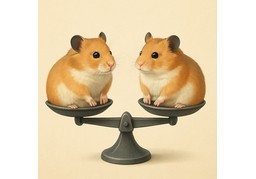
A link showing that two things have the same measured value or the same essential quality.
等于多少děng yú duō shǎo
equal how much
等于二分之一děng yú èr fēn zhī yī
equal one-half
是shì: Identify a person, thing, or idea as having a stated identity, kind, or quality.
一样yí yàng: Have the same qualities or state as something else.
跟...一样gēn yí yàng: Show through a comparison that one thing is the same as another.
差不多chà bu duō: Be nearly the same, with small differences that do not matter much.
表示两个数、量或事物在数量、程度或性质上相同或没有差别的关系,常用于数学和正式比较。biǎo shì liǎng gè shù liàng huò shì wù zài shù liàng chéng dù huò xìng zhì shàng xiàng tóng huò méi yǒu chā bié de guān xì cháng yòng yú shù xué hé zhèng shì bǐ jiào
等于 (děngyú, "to equal") is formed from 等 (děng, "equal") and 于 (yú, "to"), with 于 marking the thing that matches the first one.