

HSK · Level 26
135 words
Search Chinese words by characters, pinyin or English meaning.
Dictionaries
Quick links
Browse
 MotiSpiOfficial conversation app

Chinese word
Pinyintóng huà
她小时候最爱听童话故事。tā xiǎo shí hòu zuì ài tīng tóng huà gù shì
She loved listening to fairy tales most when she was a child.
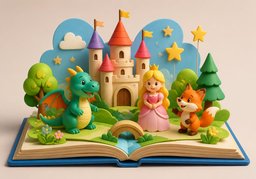
这部电影把童话改编成了动画片。zhè bù diàn yǐng bǎ tóng huà gǎi biān chéng le dòng huà piàn
This movie adapted the fairy tale into an animated film.
Storytelling centered on a child's world, where ordinary or magical events are easy to follow and may teach a value.
童话故事tóng huà gù shì
fairy tale
讲童话jiǎng tóng huà
tell fairy tales
读童话dú tóng huà
read fairy tales
故事gù shì: A spoken or written account of people and events.
寓言yù yán: A brief story with characters such as animals that conveys a lesson.
传说chuán shuō: A long-remembered story passed from generation to generation, not known to be true.
指面向儿童的故事体裁,既可为口头传说,也可为书籍或影视改编,常用简单语言呈现人物与事件并传递道德或想象。zhǐ miàn xiàng ér tóng de gù shì tǐ cái jì kě wèi kǒu tóu chuán shuō yě kě wèi shū jí huò yǐng shì gǎi biān cháng yòng jiǎn dān yǔ yán chéng xiàn rén wù yǔ shì jiàn bìng chuán dì dào dé huò xiǎng xiàng
The word 童话 (tónghuà, "fairy tale") combines 童 (tóng, "child") with 话 (huà, "speech"), linking a child's world with a story told for children.