

HSK · Level 31
135 words
Search Chinese words by characters, pinyin or English meaning.
Dictionaries
Quick links
Browse
 MotiSpiOfficial conversation app

Chinese word
Pinyinkòng dì
别把车停在空地上,会影响别人。bié bǎ chē tíng zài kòng dì shàng huì yíng xiǎng bié rén
Don't park the car in the vacant lot; it will inconvenience others.
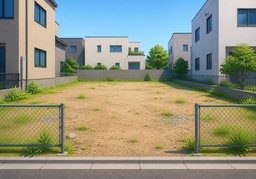
这块空地准备改造为社区花园。zhè kuài kòng dì zhǔn bèi gǎi zào wèi shè qū huā yuán
This vacant lot is going to be converted into a community garden.
An open patch of ground without buildings or current occupants, ready for temporary use.
停在空地上tíng zài kòng dì shàng
park in a vacant lot
占用空地zhàn yòng kòng dì
occupy a vacant lot
清理空地qīng lǐ kòng dì
clear a vacant lot
空位kòng wèi: An empty place or position that no one is using.
场地chǎng dì: A site set aside for a particular activity or use.
荒地huāng dì: Land left uncared for over a long time, often with thick wild growth.
未被建筑覆盖且无人占用的地面区域,可作为临时停放或活动的场所。wèi bèi jiàn zhù fù gài qiě wú rén zhàn yòng de dì miàn qū yù kě zuò wéi lín shí tíng fàng huò huó dòng de cháng suǒ
空地 (kòngdì, "vacant ground") combines 空 (kòng, "empty or unoccupied") with 地 (dì, "ground"), so its form presents ground left open.