

HSK · Level 48
120 words
Search Chinese words by characters, pinyin or English meaning.
Dictionaries
Quick links
Browse
 MotiSpiOfficial conversation app

Chinese word
Pinyintū
他已经秃了。tā yǐ jīng tū le
He is already bald.
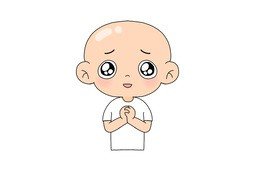
中年以后,很多人会出现局部秃的现象。zhōng nián yǐ hòu hěn duō rén huì chū xiàn jú bù tū de xiàn xiàng
After middle age, many people develop bald patches.
Hair becomes sparse until bare skin shows, or remains in that bare state.
秃顶tū dǐng
bald crown
光秃guāng tū
completely bald
光秃guāng tū: Having almost no hair and looking smooth and bare.
秃头tū tóu: Having sparse hair on the head, with the scalp showing.
用来描述头发或其他毛发显著减少甚至完全没有,常用于表示人的头部光秃的样子。yòng lái miáo shù tóu fà huò qí tā máo fà xiǎn zhù jián shǎo shèn zhì wán quán méi yǒu cháng yòng yú biǎo shì rén de tóu bù guāng tū de yàng zi
秃 (tū, "bald") is the simplified form used today for an older Chinese word meaning hairless, so its central sense has remained stable while its range includes other hairy surfaces.