

HSK · Level 62
105 words
Search Chinese words by characters, pinyin or English meaning.
Dictionaries
Quick links
Browse
 MotiSpiOfficial conversation app

Chinese word
Pinyinzǔ jí
你的祖籍是哪里?nǐ de zǔ jí shì ná lǐ
Where is your ancestral home?
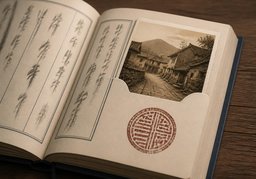
为了办理户口迁移,他需要提供父母的祖籍信息。wèi le bàn lǐ hù kǒu qiān yí tā xū yào tí gōng fù mǔ de zǔ jí xìn xī
To transfer his household registration, he needs to provide information about his parents' ancestral home.
The place attached to a family through its ancestors and records, rather than necessarily the place a person lives.
追溯祖籍zhuī sù zǔ jí
trace ancestral origins
确认祖籍què rèn zǔ jí
confirm ancestral home
登记祖籍信息dēng jì zǔ jí xìn xī
register ancestral home information
籍贯jí guàn: A formal written term for the registered ancestral origin of a family.
出生地chū shēng dì: The location of a person's birth.
家乡jiā xiāng: The home region where a person grew up or a family has long lived.
户籍hù jí: A household registration showing a person's officially registered residence.
指先祖出生或在户籍、族谱等记录上登记的地方,用来表示家族的原籍地,未必等同于个人的现居地。zhǐ xiān zǔ chū shēng huò zài hù jí zú pǔ děng jì lù shàng dēng jì de dì fāng yòng lái biǎo shì jiā zú de yuán jí dì wèi bì děng tóng yú gè rén de xiàn jū dì
祖 (zǔ, "ancestor") + 籍 (jí, "register") forms a term for the place where a family's ancestral origin is recorded.