

Chinese Conversation · Level 79
91 words
Search Chinese words by characters, pinyin or English meaning.
Dictionaries
Quick links
Browse
 MotiSpiOfficial conversation app

Chinese word
Pinyinmó sǔn
轮胎已经磨损得很厉害。lún tāi yǐ jīng mó sǔn de hěn lì hài
The tires are badly worn.
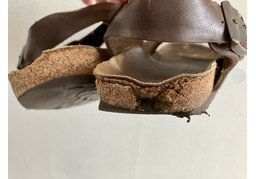
刹车片在长时间的使用中会磨损,需要及时更换。shā chē piàn zài cháng shí jiān de shǐ yòng zhōng huì mó sǔn xū yào jí shí gēng huàn
Brake pads wear with prolonged use and need to be replaced promptly.
A working surface becomes thinner and weaker little by little as rubbing or impact continues.
逐渐磨损zhú jiàn mó sǔn
wear gradually
接触面磨损jiē chù miàn mó sǔn
wear on the contact surface
长期磨损cháng qī mó sǔn
wear over a long period
受损shòu sǔn: An object becomes damaged through an outside force or accident.
损坏sǔn huài: A part or product becomes broken and stops working normally.
磨耗mó hào: Repeated contact during long use gradually removes material from a part.
磨蚀mó shí: Friction or moving fluid gradually removes material from a surface.
物体在使用过程中表面因摩擦或碰撞逐步脱落或变薄,从而造成外观或性能的损失。wù tǐ zài shǐ yòng guò chéng zhōng biǎo miàn yīn mó cā huò pèng zhuàng zhú bù tuō luò huò biàn báo cóng ér zào chéng wài guān huò xìng néng de sǔn shī
磨 (mó, "rub or grind") points to repeated contact, while 损 (sǔn, "damage or loss") marks what that contact causes, forming a compound for gradual physical decline.