

HSK · Level 8
135 words
Search Chinese words by characters, pinyin or English meaning.
Dictionaries
Quick links
Browse
 MotiSpiOfficial conversation app

Chinese word
Pinyinpò jiù
这件衣服太破旧了,我不想穿。zhè jiàn yī fú tài pò jiù le wǒ bù xiǎng chuān
This piece of clothing is too shabby, so I don't want to wear it.
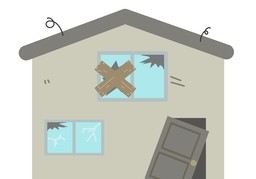
这些旧书经过多年保存,封面逐渐破旧。zhè xiē jiù shū jīng guò duō nián bǎo cún fēng miàn zhú jiàn pò jiù
After these old books were kept for many years, their covers gradually became shabby.
An everyday object whose age and damage show on its surface and reduce its practical value.
变得破旧biàn de pò jiù
become shabby
看上去破旧kàn shàng qù pò jiù
look shabby
破烂pò làn: Torn, ragged, or full of holes throughout, showing a badly worn condition.
破损pò sǔn: Partly damaged, chipped, or broken so that its shape or function is affected.
老旧lǎo jiù: Aged through many years, with an old appearance and weaker performance.
陈旧chén jiù: No longer fresh or new after much time, and therefore giving an old or dated impression.
用于形容衣物、家具、房屋等因使用时间长或损坏而显得破败、功能下降的状态。yòng yú xíng róng yī wù jiā jù fáng wū děng yīn shǐ yòng shí jiān zhǎng huò sǔn huài ér xiǎn de pò bài gōng néng xià jiàng de zhuàng tài
破 (pò, "damaged") + 旧 (jiù, "old") combines visible damage with age, giving the word its sense of something worn down through long use.