

Chinese Conversation · Level 13
90 words
Search Chinese words by characters, pinyin or English meaning.
Dictionaries
Quick links
Browse
 MotiSpiOfficial conversation app

Chinese word
Pinyinshòu
她的脸很瘦。tā de liǎn hěn shòu
Her face is very thin.
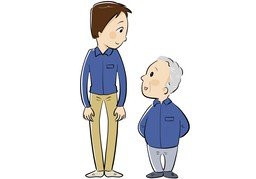
她的脸颊看起来很瘦,需要补充营养。tā de liǎn jiá kàn qǐ lái hěn shòu xū yào bǔ chōng yíng yǎng
Her cheeks look very thin, so she needs more nutrition.
A body reduced to a narrower shape has less physical substance than a fuller body or than it had before.
脸颊很瘦liǎn jiá hěn shòu
thin cheeks
身材很瘦shēn cái hěn shòu
slim figure
苗条miáo tiáo: Slim and shapely in appearance, with a neat and graceful body shape.
消瘦xiāo shòu: Thin and weakened after losing weight through illness or poor appetite.
瘦弱shòu ruò: Thin, weak, and lacking physical strength, with a frail appearance.
纤细xiān xì: Fine and slender in shape or line, creating a delicate appearance.
表示人或动物体形窄小、脂肪或肌肉少,也可作动词表示变得更瘦biǎo shì rén huò dòng wù tǐ xíng zhái xiǎo zhī fáng huò jī ròu shǎo yě kě zuò dòng cí biǎo shì biàn de gèng shòu
瘦 (shòu, "thin") combines 疒 (nè, "illness"), a meaning component linked with bodily conditions, and 叟 (sǒu, "old man"), a sound component.