

HSK · Level 3
131 words
Search Chinese words by characters, pinyin or English meaning.
Dictionaries
Quick links
Browse
 MotiSpiOfficial conversation app

Chinese word
Pinyindú
她已经习惯独居的生活。tā yǐ jīng xí guàn dú jū de shēng huó
She is already used to living alone.
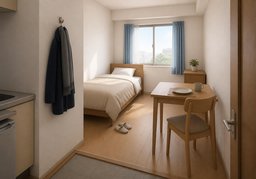
很多城市的年轻人因为工作选择独居。hěn duō chéng shì de nián qīng rén yīn wèi gōng zuò xuǎn zé dú jū
Young people in many cities choose to live alone because of work.
A person stands apart from others, with no companion sharing the space or status.
独居dú jū
living alone
独居者dú jū zhě
person living alone
独居老人dú jū lǎo rén
elderly person living alone
独居dú jū: Living alone in a home without anyone else.
单身dān shēn: The status of not having a spouse.
独立dú lì: The condition of handling life or work independently rather than depending on others.
表示个人独自生活的状态,也常用作构词成分,如『独居』『独身』。biǎo shì gè rén dú zì shēng huó de zhuàng tài yě cháng yòng zuò gòu cí chéng fèn rú dú jū dú shēn
The meaning of 独 (dú, "alone") extends naturally from one person without a companion to one person without a spouse, so it can describe both living arrangements and personal status.