

Chinese Conversation · Level 70
90 words
Search Chinese words by characters, pinyin or English meaning.
Dictionaries
Quick links
Browse
 MotiSpiOfficial conversation app

Chinese word
Pinyindú chǔ
他今晚想独处。tā jīn wǎn xiǎng dú chǔ
He wants to be alone tonight.
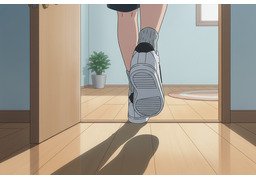
我有时需要独处来整理思绪。wǒ yǒu shí xū yào dú chǔ lái zhéng lǐ sī xù
Sometimes I need to be alone to sort out my thoughts.
Spending time apart from others as a calm, self-contained way to use personal space.
想独处xiǎng dú chǔ
want to be alone
需要独处xū yào dú chǔ
need to be alone
习惯独处xí guàn dú chǔ
be used to being alone
单独生活dān dú shēng huó: Living alone and managing everyday life separately from other people.
独居dú jū: Living in a home without sharing it with other people.
单独留在某处,占有个人空间,不一定带有孤独感,侧重个人独自活动或安静休憩。dān dú liú zài mǒu chù zhàn yǒu gè rén kōng jiān bù yí dìng dài yǒu gū dú gǎn cè zhòng gè rén dú zì huó dòng huò ān jìng xiū qì
独处 (dúchǔ, "to be alone") is formed from 独 (dú, "alone") + 处 (chǔ, "stay or dwell"), linking being by oneself with remaining in a place.