

Chinese Conversation · Level 34
90 words
Search Chinese words by characters, pinyin or English meaning.
Dictionaries
Quick links
Browse
 MotiSpiOfficial conversation app

Chinese word
Pinyinfán
别烦我,我在忙。bié fán wǒ wǒ zài máng
Don't bother me, I'm busy.
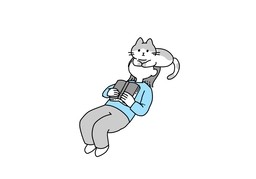
不要烦别人,他们也有自己的事。bú yào fán bié rén tā men yě yǒu zì jǐ de shì
Don't bother other people; they have things to do too.
An unwanted demand on another person's mind, time, or peace.
别再烦我了bié zài fán wǒ le
don't bother me anymore
不要烦别人bú yào fán bié rén
don't bother other people
打扰dá rǎo: Breaking into someone's activity or attention and interrupting what they are doing.
打搅dá jiǎo: Disrupting someone's peace or activity so that they have to pause.
麻烦má fán: Putting an extra burden or inconvenience on someone.
使别人感到被打扰或心情不安,指外在行为或话语造成的困扰或妨碍。shǐ bié rén gǎn dào bèi dá rǎo huò xīn qíng bù ān zhǐ wài zài xíng wèi huò huà yǔ zào chéng de kùn rǎo huò fáng ài
烦 (fán, "bother") comes from the traditional form 煩 (fán, "bother"), which expresses inner agitation and develops naturally into the act of causing that agitation in someone else.