

Chinese Conversation · Level 27
90 words
Search Chinese words by characters, pinyin or English meaning.
Dictionaries
Quick links
Browse
 MotiSpiOfficial conversation app

Chinese word
Pinyinyān wù
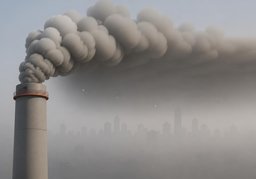
早上城市被烟雾笼罩。zǎo shàng chéng shì bèi yān wù lǒng zhào
The city is shrouded in smog this morning.
早上乡下没有烟雾,可以吸到新鲜空气。zǎo shàng xiāng xià méi yǒu yān wù ké yǐ xī dào xīn xiān kōng qì
There was no smog in the countryside this morning, so you could breathe fresh air.
A veil of smoke and fine haze gathers in the air, blurs visibility, and can make breathing unsafe.
弥漫的烟雾mí màn de yān wù
pervasive smog
被烟雾笼罩bèi yān wù lǒng zhào
be shrouded in smog
逃离烟雾táo lí yān wù
escape the smog
烟yān: Smoke released when something burns, made of gases and tiny particles floating in the air.
雾霾wù mái: Polluted, hazy air with many tiny particles that can make breathing unhealthy.
浓雾nóng wù: Very thick natural fog made of tiny water droplets that greatly reduces visibility.
烟尘yān chén: Fine solid particles released by burning or construction that pollute the air.
因燃烧、工业排放或车辆尾气等产生的烟和微粒在空气中聚集,造成能见度下降并可能危害健康的现象。yīn rán shāo gōng yè pái fàng huò chē liàng wěi qì děng chǎn shēng de yān hé wēi lì zài kōng qì zhōng jù jí zào chéng néng jiàn dù xià jiàng bìng kě néng wēi hài jiàn kāng de xiàn xiàng
烟 (yān, "smoke") + 雾 (wù, "fog") combines smoke from burning with a hazy veil suspended in the air.