

HSK · Level 39
120 words
Search Chinese words by characters, pinyin or English meaning.
Dictionaries
Quick links
Browse
 MotiSpiOfficial conversation app

Chinese word
Pinyinzāi nàn
他遭遇了灾难。tā zāo yù le zāi nàn
He experienced a disaster.
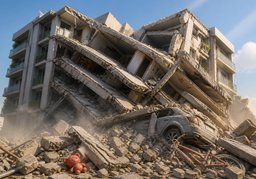
地震发生后,许多人无家可归,面临着灾难。dì zhèn fā shēng hòu xǔ duō rén wú jiā kě guī miàn lín zhe zāi nàn
After the earthquake, many people lost their homes and faced disaster.
A severe blow that turns a dangerous event or misfortune into widespread loss and suffering.
遭遇灾难zāo yù zāi nàn
suffer a disaster
引发灾难yǐn fā zāi nàn
trigger a disaster
灾难发生zāi nàn fā shēng
a disaster happens
灾害zāi hài: A large event, often caused by nature, that causes serious harm across a community or society.
惨事cǎn shì: A terrible event that brings many deaths, injuries, or deep sadness.
不幸bú xìng: Bad luck or a hard situation that brings trouble to a person or group.
事故shì gù: A sudden event that harms people or damages property by accident.
指严重的不幸或造成广泛损害的事件或局面,通常为突发的祸患,可用于自然灾害或个人、社会的重大不幸。zhǐ yán zhòng de bú xìng huò zào chéng guǎng fàn sǔn hài de shì jiàn huò jú miàn tōng cháng wèi tū fā de huò huàn kě yòng yú zì rán zāi hài huò gè rén shè huì de zhòng dà bú xìng
The word 灾难 (zāinàn, "disaster") joins 灾 (zāi, "calamity") with 难 (nàn, "hardship"), linking a harmful event with the hardship it brings.