

HSK · Level 8
135 words
Search Chinese words by characters, pinyin or English meaning.
Dictionaries
Quick links
Browse
 MotiSpiOfficial conversation app

Chinese word
Pinyinguàn
他把咖啡灌进杯子里。tā bǎ kā fēi guàn jìn bēi zi lǐ
He poured coffee into the cup.
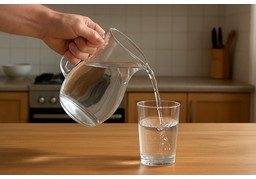
春天,农民把河水灌入田里。chūn tiān nóng mín bǎ hé shuǐ guàn rù tián lǐ
In spring, farmers pour river water into the fields.
Fills a target by forcing a large amount of liquid or other content into it.
灌溉农田guàn gài nóng tián
irrigate the fields
灌输guàn shū: Teach ideas or information to someone in a one-sided and forceful way.
注入zhù rù: Add liquid, funds, or another needed resource to something.
倒进dào jìn: Tip a container so that liquid or another substance flows into another container.
淋lín: Let a small amount of liquid fall onto something from above.
把液体大量注入某处;引申为向人或集体反复或强制性地注入思想、观念等(见“灌输”)。bǎ yè tǐ dà liàng zhù rù mǒu chù yǐn shēn wèi xiàng rén huò jí tǐ fǎn fù huò qiáng zhì xìng dì zhù rù sī xiǎng guān niàn děng jiàn guàn shū
The water radical in 灌 (guàn, "pour in") preserves the character's concrete image of water entering a place, which supports its extended sense of loading a mind with ideas.