

HSK · Level 42
120 words
Search Chinese words by characters, pinyin or English meaning.
Dictionaries
Quick links
Browse
 MotiSpiOfficial conversation app

Chinese word
Pinyinhuá jī
他讲的故事很滑稽。tā jiǎng de gù shì hěn huá jī
The story he tells is very funny.
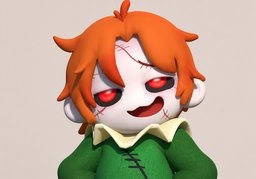
观众看到演员滑稽的表情后都笑了。guān zhòng kàn dào yǎn yuán huá jī de biǎo qíng hòu dōu xiào le
The audience all laughed after seeing the actor's funny expression.
A person, remark, expression, or story becomes amusing because its odd, exaggerated quality draws laughter.
觉得滑稽jué de huá jī
find funny
滑稽的表情huá jī de biǎo qíng
funny expression
滑稽的举动huá jī de jǔ dòng
funny behavior
幽默yōu mò: Showing a playful sense of humor through words, actions, or manner.
有趣yǒu qù: Enjoyable and engaging because it catches and keeps interest.
可笑kě xiào: So strange or unreasonable that seeing or hearing it can cause laughter.
表示引人发笑、有幽默感或通过表情和动作使人发笑的形容词,常用来描述言语、表情或故事令人觉得可笑。biǎo shì yǐn rén fā xiào yǒu yōu mò gǎn huò tōng guò biǎo qíng hé dòng zuò shǐ rén fā xiào de xíng róng cí cháng yòng lái miáo shù yán yǔ biǎo qíng huò gù shì lìng rén jué de kě xiào
滑稽 (huájī, "funny") was linked to comic performers and exaggerated stage behavior, then broadened to describe speech, expressions, and stories that make people laugh.