

HSK · Level 43
120 words
Search Chinese words by characters, pinyin or English meaning.
Dictionaries
Quick links
Browse
 MotiSpiOfficial conversation app

Chinese word
Pinyinsǎ
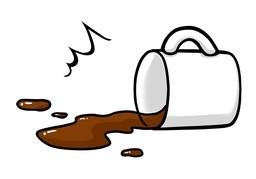
他不小心把杯子里的茶洒了。tā bù xiǎo xīn bǎ bēi zi lǐ de chá sǎ le
He accidentally spilled the tea from the cup.
工人为了防尘把水洒在路面上。gōng rén wéi le fáng chén bǎ shuǐ sǎ zài lù miàn shàng
The workers sprinkled water on the road to keep down dust.
Liquid escapes its container and spreads outward in drops or a thin layer.
洒在地上sǎ zài dì shàng
spill onto the ground
洒出sǎ chū
spill out
洒满地sá mǎn dì
spill across the ground
撒sā: To spread powder or small particles over an area by hand or with a tool.
溅jiàn: To splash when liquid hits something, sending small drops through the air.
溢yì: To flow over the edge of a container because there is too much liquid.
漏lòu: To escape slowly through a hole, crack, or loose connection, as liquid or gas.
使液体从器皿、手上或容器口流出并散布到周围,侧重液体的散落或溢出这一动作。shǐ yè tǐ cóng qì mǐn shǒu shàng huò róng qì kǒu liú chū bìng sàn bù dào zhōu wéi cè zhòng yè tǐ de sàn luò huò yì chū zhè yí dòng zuò
洒 (sǎ, "spill") is the simplified form of the traditional character, and its water radical links the written form to liquid while the other component helps represent the sound.