

HSK · Level 20
135 words
Search Chinese words by characters, pinyin or English meaning.
Dictionaries
Quick links
Browse
 MotiSpiOfficial conversation app

Chinese word
Pinyinfèi téng
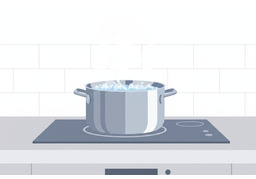
水很快就会沸腾。shuǐ hěn kuài jiù huì fèi téng
The water will boil soon.
听到这个消息,观众的情绪都沸腾了。tīng dào zhè ge xiāo xī guān zhòng de qíng xù dōu fèi téng le
When they heard the news, the audience's emotions ran high.
Heat drives bubbles upward until the whole surface is in energetic motion, a pattern echoed by a suddenly excited atmosphere.
水沸腾shuǐ fèi téng
water boils
气氛沸腾qì fēn fèi téng
the atmosphere gets excited
心中沸腾xīn zhōng fèi téng
feel stirred up inside
烧开shāo kāi: Heat a liquid until it boils and bubbles rise from the surface.
煮沸zhǔ fèi: Heat a liquid fully until continuous boiling begins.
翻腾fān téng: Move and churn fiercely while forming or carrying many bubbles.
激动jī dòng: Grow intensely emotional, with strong feelings surging upward.
液体温度升高到反复产生并上浮气泡、表面翻腾不息的过程,延伸为情绪或气氛迅速高涨。yè tǐ wēn dù shēng gāo dào fǎn fù chǎn shēng bìng shàng fú qì pào biǎo miàn fān téng bù xī de guò chéng yán shēn wèi qíng xù huò qì fēn xùn sù gāo zhǎng
沸 (fèi, "boil") names bubbling liquid, while 腾 (téng, "rise") adds the sense of movement upward, forming a vivid compound.