

Chinese Conversation · Level 22
90 words
Search Chinese words by characters, pinyin or English meaning.
Dictionaries
Quick links
Browse
 MotiSpiOfficial conversation app

Chinese word
Pinyinméi diàn
出差前,相机没电了。chū chāi qián xiàng jī méi diàn le
Before leaving for a business trip, the camera ran out of power.
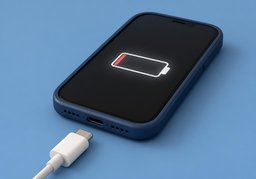
上班路上,我的手机突然没电了。shàng bān lù shàng wǒ de shǒu jī tū rán méi diàn le
On my way to work, my phone suddenly ran out of power.
Shows a phone, camera, or similar device with too little charge left for reliable operation.
手机没电shǒu jī méi diàn
mobile phone runs out of power
相机没电xiàng jī méi diàn
camera runs out of power
电脑没电diàn nǎo méi diàn
laptop runs out of power
关机guān jī: Switching a device off and stopping it from running.
开机kāi jī: Switching a device on and starting it for use.
死机sǐ jī: Stopping and failing to respond when a device has a fault.
口语中用于表示手机或电子设备电池电量耗尽或即将耗尽的短语。kóu yǔ zhōng yòng yú biǎo shì shǒu jī huò diàn zi shè bèi diàn chí diàn liàng hào jìn huò jí jiāng hào jìn de duán yǔ
In the colloquial phrase 没电 (méidiàn, "no electricity"), 没 (méi, "not have") negates 电 (diàn, "electricity"), giving the expression its direct power-related meaning.