

Chinese Conversation · Level 70
90 words
Search Chinese words by characters, pinyin or English meaning.
Dictionaries
Quick links
Browse
 MotiSpiOfficial conversation app

Chinese word
Pinyinshuǐ zhǒng
早上起来我的脸有水肿。zǎo shàng qǐ lái wǒ de liǎn yǒu shuí zhǒng
My face is puffy when I wake up in the morning.
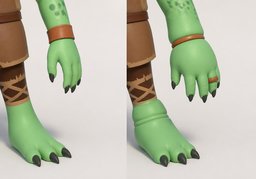
坐飞机回家后,腿有水肿,走路不太方便。zuò fēi jī huí jiā hòu tuǐ yǒu shuí zhǒng zǒu lù bú tài fāng biàn
After flying home, my legs were swollen, so walking was a little difficult.
Extra fluid gathers in body tissue, making one area or the whole body look swollen.
腿部水肿tuǐ bù shuí zhǒng
leg swelling
脚踝水肿jiǎo huái shuí zhǒng
ankle swelling
脸上水肿liǎn shàng shuí zhǒng
facial swelling
浮肿fú zhǒng: Puffiness caused by fluid collecting under the skin, often in the face or legs.
肿胀zhǒng zhàng: A swollen, tight condition caused by fluid or other material building up in tissue.
红肿hóng zhǒng: Redness and swelling in an area caused by irritation or inflammation.
身体组织内液体过多,导致局部或全身肿胀的状态或现象。shēn tǐ zǔ zhī nèi yè tǐ guò duō dǎo zhì jú bù huò quán shēn zhǒng zhàng de zhuàng tài huò xiàn xiàng
水肿 (shuǐzhǒng, "swelling") combines 水 (shuǐ, "water") + 肿 (zhǒng, "swollen"), naming swelling caused by excess fluid in tissue.