

HSK · Level 31
135 words
Search Chinese words by characters, pinyin or English meaning.
Dictionaries
Quick links
Browse
 MotiSpiOfficial conversation app

Chinese word
Pinyinhuǐ
那栋房子被风暴毁了。nà dòng fáng zi bèi fēng bào huǐ le
That house was destroyed by the storm.
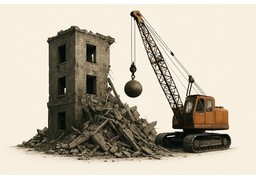
他的一句谎话毁了多年的信任。tā de yí jù huǎng huà huǐ le duō nián de xìn rèn
One of his lies ruined years of trust.
A force breaks something so thoroughly that its form or function can no longer be restored.
毁掉证据huǐ diào zhèng jù
destroy evidence
毁坏财物huǐ huài cái wù
destroy property
自毁前程zì huǐ qián chéng
ruin one's own prospects
破坏pò huài: Damages the structure or function of something, leaving it broken or unable to work properly.
毁灭huǐ miè: Destroys something completely, leaving nothing usable or remaining.
损坏sǔn huài: Causes part of an object to break or its performance to decline.
摧毁cuī huǐ: Breaks something apart quickly with great force, making it lose its function.
使某物遭到损害或破坏,造成结构、形状或功能受到严重破坏且难以恢复。shǐ mǒu wù zāo dào sǔn hài huò pò huài zào chéng jié gòu xíng zhuàng huò gōng néng shòu dào yán zhòng pò huài qiě nán yǐ huī fù
毁 (huǐ, "destroy") is the simplified form of 毀 (huǐ, "destroy"), an older word for damaging or breaking something.