

HSK · Level 79
45 words
Search Chinese words by characters, pinyin or English meaning.
Dictionaries
Quick links
Browse
 MotiSpiOfficial conversation app

Chinese word
Pinyincán quē
旧书的封面残缺,字有些看不清。jiù shū de fēng miàn cán quē zì yǒu xiē kàn bù qīng
Some pieces are missing from the old book's cover, and some of the characters are hard to make out.
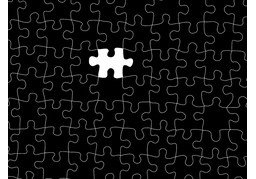
这幅字画因虫蛀而显得残缺。zhè fú zì huà yīn chóng zhù ér xiǎn de cán quē
This piece of calligraphy and painting looks incomplete because insects damaged it.
Something that has lost one or more parts and no longer presents a complete form.
残缺的部分cán quē de bù fèn
incomplete part
显得残缺xiǎn de cán quē
seem incomplete
有残缺yǒu cán quē
have missing parts
不完整bù wán zhěng: Failing to include everything needed for a complete whole.
不齐全bù qí quán: Not containing all the items or parts that should be included.
有缺陷yǒu quē xiàn: Having a defect that makes its quality or function less complete.
形容某物或某处有缺损或不完整,常指外观或实物部分缺失,也可用于比喻性表述。xíng róng mǒu wù huò mǒu chù yǒu quē sǔn huò bù wán zhěng cháng zhǐ wài guān huò shí wù bù fèn quē shī yě kě yòng yú bǐ yù xìng biǎo shù
残 (cán, "remaining") suggests what is left after loss, while 缺 (quē, "missing") identifies the absent part; together they describe an incomplete whole.