

HSK · Level 48
120 words
Search Chinese words by characters, pinyin or English meaning.
Dictionaries
Quick links
Browse
 MotiSpiOfficial conversation app

Chinese word
Pinyincán jí
她从小有残疾,但很乐观。tā cóng xiǎo yǒu cán jí dàn hěn lè guān
She has had a disability since childhood, but she is very optimistic.
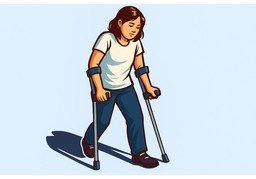
残疾人常常需要无障碍设施。cán jí rén cháng cháng xū yào wú zhàng ài shè shī
People with disabilities often need accessible facilities.
When one part of functioning falls short, ordinary tasks or shared activities may become more difficult to join.
残疾人cán jí rén
person with a disability
先天性残疾xiān tiān xìng cán jí
congenital disability
重度残疾zhòng dù cán jí
severe disability
残疾人cán jí rén: A person whose disability limits everyday activities or participation in society.
失能shī néng: A state of lost physical or mental ability that prevents daily activities or work.
指肢体、感觉、认知等方面的功能不全,包括先天或后天原因,致使参加日常生活或社会活动受限的情况。zhǐ zhī tǐ gǎn jué rèn zhī děng fāng miàn de gōng néng bù quán bāo kuò xiān tiān huò hòu tiān yuán yīn zhì shǐ cān jiā rì cháng shēng huó huò shè huì huó dòng shòu xiàn de qíng kuàng
The meaningful parts 残 (cán, "incomplete or damaged") and 疾 (jí, "illness") give the compound a basic image of a lasting impairment rather than a temporary inconvenience.