

HSK · Level 59
105 words
Search Chinese words by characters, pinyin or English meaning.
Dictionaries
Quick links
Browse
 MotiSpiOfficial conversation app

Chinese word
Pinyinzhèng shì
你必须正视自己的错误。nǐ bì xū zhèng shì zì jǐ de cuò wù
You must face your own mistakes.
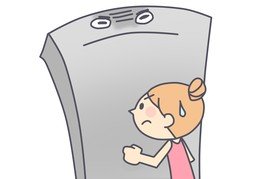
他终于开始正视现实。tā zhōng yú kāi shǐ zhèng shì xiàn shí
He finally began to face reality.
Standing squarely before a problem and giving it full attention.
正视现实zhèng shì xiàn shí
face reality
正视问题zhèng shì wèn tí
face the problem
正视错误zhèng shì cuò wù
face one's mistakes
面对miàn duì: Face a problem or situation and deal with the reality it presents.
承认chéng rèn: Acknowledge that a fact, mistake, or problem is real or true.
直面zhí miàn: Confront a problem or fact directly, especially at its core.
以正面、直接的态度面对,不回避或掩饰事实或问题。yǐ zhèng miàn zhí jiē de tài dù miàn duì bù huí bì huò yǎn shì shì shí huò wèn tí
正 (zhèng, "straight") contributes the idea of facing forward, while 视 (shì, "look") supplies the act of looking, creating the sense of confronting something openly.