

HSK · Level 23
135 words
Search Chinese words by characters, pinyin or English meaning.
Dictionaries
Quick links
Browse
 MotiSpiOfficial conversation app

Chinese word
Pinyinzhǐ bù
他看到前面危险,马上止步。tā kàn dào qián miàn wēi xiǎn mǎ shàng zhǐ bù
He saw danger ahead and stopped immediately.
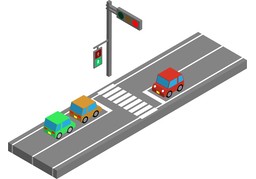
面对挑战,我们不能止步。miàn duì tiǎo zhàn wǒ men bù néng zhǐ bù
Facing challenges, we must not stop.
A person or movement comes to a complete stop before crossing a boundary or going farther.
止步不前zhǐ bù bù qián
stop moving forward
止步于此zhǐ bù yú cǐ
stop here
不得不止步bù dé bù zhǐ bù
have to stop
停止tíng zhǐ: Bring ongoing movement, work, or activity to an end.
停顿tíng dùn: Interrupt an action or speech for a short time.
停住tíng zhù: Stop moving and stay where one is.
站住zhàn zhù: Remain standing in one spot without changing position.
表示停止前进或要求别人不要继续靠近,常见于告示或书面语,也可作一般动作的停止用法。biǎo shì tíng zhǐ qián jìn huò yāo qiú bié rén bú yào jì xù kào jìn cháng jiàn yú gào shì huò shū miàn yǔ yě kě zuò yì bān dòng zuò de tíng zhǐ yòng fǎ
止步 (zhǐbù, "stop walking") combines 止 (zhǐ, "stop") + 步 (bù, "step"), so its literal structure presents stopping as ending one's steps.