

Chinese Conversation · Level 79
91 words
Search Chinese words by characters, pinyin or English meaning.
Dictionaries
Quick links
Browse
 MotiSpiOfficial conversation app

Chinese word
Pinyinqī fù
不要欺负年纪小的孩子。bú yào qī fù nián jì xiǎo de hái zi
Don't bully younger children.
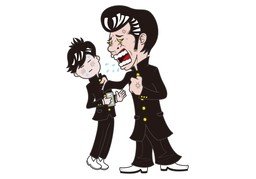
他在街上看到有人欺负弱小者,就报警了。tā zài jiē shàng kàn dào yǒu rén qī fù ruò xiǎo zhě jiù bào jǐng le
He called the police when he saw someone bullying the weak on the street.
Pressure from a stronger person lands on someone with less power, ranging from repeated harm to lighter teasing.
被人欺负bèi rén qī fù
be bullied by others
欺负弱小者qī fù ruò xiǎo zhě
bully the weak
欺凌qī líng: Repeatedly targeting weaker people with harassment or violence within a group or school.
侮辱wú rǔ: Using public words or actions to make another person lose dignity.
用强势的言语或行为使他人受委屈或伤害,常指强者对弱者反复的欺凌,但在语境轻时也可指开玩笑式的取笑。yòng qiáng shì de yán yǔ huò xíng wéi shǐ tā rén shòu wěi qū huò shāng hài cháng zhǐ qiáng zhě duì ruò zhě fǎn fù de qī líng dàn zài yǔ jìng qīng shí yě kě zhǐ kāi wán xiào shì de qǔ xiào
The compound 欺 (qī, "deceive or mistreat") + 负 (fù, "carry or bear") presents mistreatment as a burden placed on another person.