

Chinese Conversation · Level 15
90 words
Search Chinese words by characters, pinyin or English meaning.
Dictionaries
Quick links
Browse
 MotiSpiOfficial conversation app

Chinese word
Pinyinsōng dòng
门把手有点 松动,别用力拉。mén bà shǒu yóu diǎn sōng dòng bié yòng lì lā
The door handle has loosened a little, so do not pull hard.
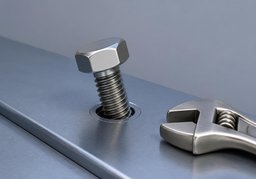
搬家时发现椅子腿开始松动,先不要坐。bān jiā shí fā xiàn yǐ zi tuǐ kāi shǐ sōng dòng xiān bú yào zuò
When moving, I found that the chair legs had started to loosen, so do not sit on it yet.
Something held in place starts to shift when its support no longer grips tightly.
椅子松动yǐ zi sōng dòng
loose chair
门框松动mén kuàng sōng dòng
loose door frame
放松fàng sōng: Relax the body or ease tension and stiffness by releasing force.
松开sōng kāi: Release or open a firmly held part so that it is no longer tightly fixed.
摇晃yáo huàng: Move with small shakes while remaining unsteady.
指原本固定的部位出现松弛,能发生晃动或位移的不稳定状态。zhǐ yuán běn gù dìng de bù wèi chū xiàn sōng chí néng fā shēng huàng dòng huò wèi yí de bù wěn dìng zhuàng tài
松动 (sōngdòng, "to loosen") combines 松 (sōng, "loose") for reduced tightness with 动 (dòng, "move") for the motion that follows.