

Chinese Conversation · Level 1
86 words
Search Chinese words by characters, pinyin or English meaning.
Dictionaries
Quick links
Browse
 MotiSpiOfficial conversation app

Chinese word
Pinyinlái
他今天会来学校吗?tā jīn tiān huì lái xué xiào ma
Will he come to school today?
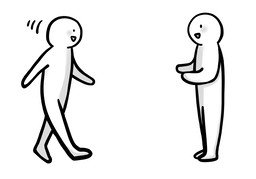
他从国外来了。tā cóng guó wài lái le
He came from abroad.
A movement that brings a person or thing toward the speaker or a place treated as the conversational center.
来这里lái zhè lǐ
come here
来学校lái xué xiào
come to school
来中国lái zhōng guó
come to China
去qù: Go from the current place to somewhere else.
回来huí lái: Come back to the speaker or to a place previously left.
过来guò lái: Come over from another place to where the speaker is.
来到lái dào: Reach and arrive at a particular place.
表示某人或某物从别处到达说话者所在处或谈话所指地点的动作,也常用于口语中表示未来发生或发出邀请、要求。biǎo shì mǒu rén huò mǒu wù cóng bié chù dào dá shuō huà zhě suǒ zài chù huò tán huà suó zhǐ dì diǎn de dòng zuò yě cháng yòng yú kóu yǔ zhōng biǎo shì wèi lái fā shēng huò fā chū yāo qǐng yāo qiú
来 (lái, "come") began as a picture of wheat, but its pronunciation was reused for the verb "come"; 麦 (mài, "wheat") was later used for the original grain sense.