

HSK · Level 121
46 words
Search Chinese words by characters, pinyin or English meaning.
Dictionaries
Quick links
Browse
 MotiSpiOfficial conversation app

Chinese word
Pinyinwèi chéng nián rén
未成年人需要父母陪同。wèi chéng nián rén xū yào fù mǔ péi tóng
Minors need to be accompanied by a parent.
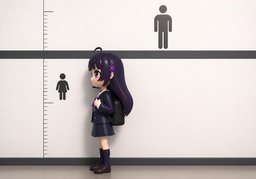
学校应提供心理咨询,关注未成年人的心理健康。xué xiào yīng tí gōng xīn lǐ zī xún guān zhù wèi chéng nián rén de xīn lǐ jiàn kāng
Schools should provide psychological counseling and pay attention to minors' mental health.
A person who has not yet reached the legal age of adulthood.
未成年人心理健康wèi chéng nián rén xīn lǐ jiàn kāng
mental health of minors
未成年人家庭教育wèi chéng nián rén jiā tíng jiào yù
family education for minors
未成年wèi chéng nián: A person who is still below the legal age of adulthood, in a common everyday expression.
儿童ér tóng: A young child or a group of young children, viewed as a broad age-based group.
青少年qīng shào nián: A young person who is growing from childhood toward adulthood, such as a teenager.
尚未达到法定成年年龄的人。shàng wèi dá dào fǎ dìng chéng nián nián líng de rén
未成年人 (wèichéngniánrén, "minor") is built from 未成年 (wèichéngnián, "not yet an adult") + 人 (rén, "person"), identifying someone who has not reached legal adulthood.