

HSK · Level 126
15 words
Search Chinese words by characters, pinyin or English meaning.
Dictionaries
Quick links
Browse
 MotiSpiOfficial conversation app

Chinese word
Pinyinyǒu dì fàng shǐ
写报告时要有的放矢,不要写很多无关内容。xiě bào gào shí yào yǒu dì fàng shǐ bú yào xiě hěn duō wú guān nèi róng
When writing a report, have a clear aim and do not include lots of irrelevant content.
作为老师,评语要有的放矢,既指出问题又给出改进方法。zuò wéi lǎo shī píng yǔ yào yǒu dì fàng shǐ jì zhǐ chū wèn tí yòu gěi chū gǎi jìn fāng fǎ
As a teacher, your comments should have a clear aim: they should point out problems and offer ways to improve.
Words or actions travel toward a defined target and land on the important point.
有的放矢地批评yǒu dì fàng shǐ dì pī píng
criticize with a clear aim
讲话要有的放矢jiǎng huà yào yǒu dì fàng shǐ
speak to the point
切中要害qiè zhòng yào hài: Getting straight to the key part of a matter.
对症下药duì zhèng xià yào: Using a response that fits the specific problem.
一针见血yì zhēn jiàn xiě: Stating the central problem clearly and briefly.
用于形容言语或行动切中要点、目标明确且有针对性,常用于评价建议或论述的效果。yòng yú xíng róng yán yǔ huò xíng dòng qiè zhòng yào diǎn mù biāo míng què qiě yǒu zhēn duì xìng cháng yòng yú píng jià jiàn yì huò lùn shù de xiào guǒ
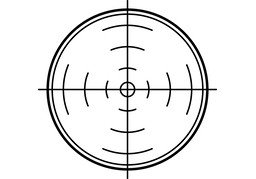
有的放矢 (yǒudìfàngshǐ, "have a target and shoot an arrow") centers on 有 (yǒu, "have") + 的 (dì, "target") and 放 (fàng, "release") + 矢 (shǐ, "arrow"), an arrow shot with a chosen target.