

HSK · Level 53
105 words
Search Chinese words by characters, pinyin or English meaning.
Dictionaries
Quick links
Browse
 MotiSpiOfficial conversation app

Chinese word
Pinyinyǒu suǒ bù tóng
大家的意见有所不同。dà jiā de yì jiàn yóu suǒ bù tóng
Everyone's opinions are different.
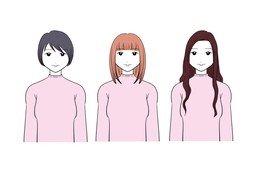
研究结果在不同样本之间有所不同。yán jiū jié guǒ zài bù tóng yàng běn zhī jiān yóu suǒ bù tóng
Research findings differ across different samples.
Two things remain broadly alike while their details, extent, or results do not fully match.
观点有所不同guān diǎn yóu suǒ bù tóng
opinions differ
处理方式有所不同chú lǐ fāng shì yóu suǒ bù tóng
approaches differ
文化背景有所不同wén huà bèi jǐng yóu suǒ bù tóng
cultural backgrounds differ
不同bù tóng: States that things differ in their nature or condition.
不一样bù yí yàng: Says in everyday speech that things differ in appearance or extent.
有所差别yóu suǒ chā bié: Shows in somewhat formal language that content or degree differs a little.
有差异yǒu chā yì: States that things differ in some respect, without describing the extent.
在某方面或某程度上与另一事物存在差别,不完全相同。zài mǒu fāng miàn huò mǒu chéng dù shàng yǔ lìng yí shì wù cún zài chā bié bù wán quán xiāng tóng
有所不同 (yǒusuǒbùtóng, "be different in some respect") places 不同 (bùtóng, "different") inside the 有所 (yǒusuǒ, "to have something to some extent") pattern, marking the difference as partial.