

HSK · Level 84
45 words
Search Chinese words by characters, pinyin or English meaning.
Dictionaries
Quick links
Browse
 MotiSpiOfficial conversation app

Chinese word
Pinyinbào zào
她一旦暴躁,就很难安静下来。tā yí dàn bào zào jiù hěn nán ān jìng xià lái
Once she gets irritable, it is hard for her to calm down.
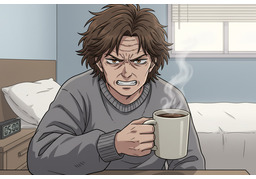
他一生气就暴躁,很难和他沟通。tā yì shēng qì jiù bào zào hěn nán hé tā gōu tōng
When he gets angry, he becomes short-tempered, and it is hard to communicate with him.
An inner state that jumps from calm to heated agitation when small things go wrong.
脾气暴躁pí qì bào zào
short-tempered
易怒yì nù: Likely to get angry easily, even because of small things.
烦躁fán zào: Feeling restless and annoyed, with difficulty settling down.
急躁jí zào: Restless and impatient, with little tolerance for delay.
暴怒bào nù: Overcome by a sudden burst of fierce anger.
容易因小事发怒,表现为情绪短时或持续地急剧上升且难以控制。róng yì yīn xiǎo shì fā nù biǎo xiàn wèi qíng xù duǎn shí huò chí xù dì jí jù shàng shēng qiě nán yǐ kòng zhì
暴 (bào, "fierce") + 躁 (zào, "restless") presents agitation as both intense and unsettled, which explains the word's quick, difficult-to-control temper.