

Chinese Conversation · Level 52
90 words
Search Chinese words by characters, pinyin or English meaning.
Dictionaries
Quick links
Browse
 MotiSpiOfficial conversation app

Chinese word
Pinyinyūn
我有点晕。wǒ yóu diǎn yūn
I feel a little dizzy.
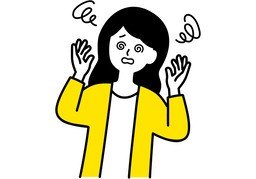
一进闷热的房间,他就感到晕。yí jìn mēn rè de fáng jiān tā jiù gǎn dào yūn
As soon as he enters a stuffy room, he feels dizzy.
A drifting, blurred feeling in which the head or surroundings seem to spin and balance becomes uncertain.
头晕tóu yūn
feel dizzy
感到晕gǎn dào yūn
feel dizzy
有点晕yóu diǎn yūn
feel slightly dizzy
站起来会晕zhàn qǐ lái huì yūn
feel dizzy when getting up
头晕tóu yūn: Feeling a spinning sensation in the head that can make the eyes seem to turn.
眩晕xuàn yùn: Experiencing medical vertigo, in which the surroundings seem to spin.
头昏tóu hūn: Feeling dull and heavy in the head, with little energy or sharpness.
迷糊mí hū: Being mentally unclear, so awareness and judgment are not fully sharp.
头部或眼前出现旋转或发轻飘的感觉,表现为平衡感下降或视野模糊,有时可延伸为短暂的意识丧失。tóu bù huò yǎn qián chū xiàn xuán zhuǎn huò fā qīng piāo de gǎn jué biǎo xiàn wèi píng héng gǎn xià jiàng huò shì yě mó hú yǒu shí kě yán shēn wèi duǎn zàn de yì shí sàng shī
The character 晕 (yūn, "dizzy") comes from an older word for the hazy ring around the sun or moon, linking a blurred halo with a blurred sense of balance.