

Chinese Conversation · Level 61
90 words
Search Chinese words by characters, pinyin or English meaning.
Dictionaries
Quick links
Browse
 MotiSpiOfficial conversation app

Chinese word
Pinyinyūn jué
她在会议上突然晕厥了。tā zài huì yì shàng tū rán yūn jué le
She suddenly fainted at the meeting.
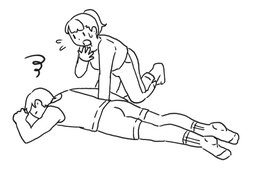
在公交车上他突然晕厥,幸好旁边有人扶住他。zài gōng jiāo chē shàng tā tū rán yūn jué xìng hǎo páng biān yǒu rén fú zhù tā
He suddenly fainted on the bus, and luckily someone nearby supported him.
A brief interruption of consciousness that can make a person suddenly fall, followed by a quick return to awareness.
被吓到就晕厥bèi xià dào jiù yūn jué
faint when scared
在公交车上晕厥zài gōng jiāo chē shàng yūn jué
faint on the bus
晕倒yūn dǎo: Suddenly pass out and fall to the ground, often after feeling dizzy.
失去意识shī qù yì shí: Become unaware of what is happening around you and unable to respond.
一过性地出现意识中断,通常突发且可在短时间内恢复,常表现为晕眩后倒地或短暂昏迷。yí guò xìng dì chū xiàn yì shí zhōng duàn tōng cháng tū fā qiě kě zài duǎn shí jiān nèi huī fù cháng biǎo xiàn wèi yūn xuàn hòu dǎo dì huò duǎn zàn hūn mí
晕厥 (yūnjué, "faint") combines 晕 (yūn, "dizzy") with 厥 (jué, "collapse or lose consciousness"), linking the warning sensation with the abrupt loss of awareness.