

HSK · Level 84
45 words
Search Chinese words by characters, pinyin or English meaning.
Dictionaries
Quick links
Browse
 MotiSpiOfficial conversation app

Chinese word
Pinyinhuàng dàng
放学后,他就喜欢在公园晃荡。fàng xué hòu tā jiù xǐ huān zài gōng yuán huàng dàng
After school, he likes hanging around in the park.
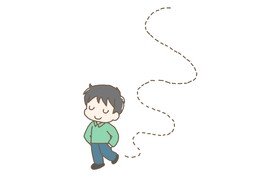
他在街头晃荡,似乎在等谁。tā zài jiē tóu huàng dàng sì hū zài děng shuí
He is wandering around on the street, seemingly waiting for someone.
Move around without a clear destination, with time to spare and little to do.
街头晃荡jiē tóu huàng dàng
wander around on the street
无目的地晃荡wú mù dì dì huàng dàng
roam around aimlessly
一个人晃荡yí gè rén huàng dàng
wander around alone
闲逛xián guàng: Walk around for pleasure without a set purpose, taking in what is nearby.
游荡yóu dàng: Wander about aimlessly, drifting from one place to another.
口语中表示人在某处漫无目的地来回走动或四处逛荡的词,带有闲散和无所事事的含义。kóu yǔ zhōng biǎo shì rén zài mǒu chù màn wú mù dì dì lái huí zǒu dòng huò sì chù guàng dàng de cí dài yǒu xián sàn hé wú suǒ shì shì de hán yì
晃 (huàng, "to sway") + 荡 (dàng, "to drift") combine into an image of loose, aimless movement, giving the compound its sense of wandering about.