

HSK · Level 104
45 words
Search Chinese words by characters, pinyin or English meaning.
Dictionaries
Quick links
Browse
 MotiSpiOfficial conversation app

Chinese word
Pinyinshì fēi
我们要分清是非,不要轻易指责别人。wǒ men yào fēn qīng shì fēi bú yào qīng yì zhǐ zé bié rén
We need to distinguish right from wrong and not accuse others too readily.
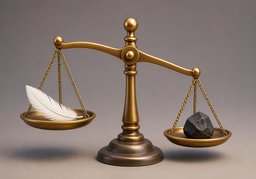
遇到复杂情况时,先看清是非,再做决定。yù dào fù zá qíng kuàng shí xiān kàn qīng shì fēi zài zuò jué dìng
When faced with a complex situation, first distinguish right from wrong, then make a decision.
A two-sided standard for weighing conduct, claims, and decisions, plus the arguments that follow when the sides disagree.
看清是非kàn qīng shì fēi
distinguish right from wrong
搞清是非gǎo qīng shì fēi
figure out right and wrong
对错duì cuò: The matter of what is correct and what is incorrect in an answer, action, or decision.
黑白hēi bái: A clear-cut distinction between right and wrong or good and evil.
善恶shàn è: The distinction between morally good and morally bad conduct.
正误zhèng wù: Whether a statement, fact, or judgment is correct or mistaken.
表示对某事或某人是否正确、合理或合乎道德的判断或评断,也指围绕这些判断而发生的争论与评说。biǎo shì duì mǒu shì huò mǒu rén shì fǒu zhèng què hé lǐ huò hé hū dào dé de pàn duàn huò píng duàn yě zhǐ wéi rào zhè xiē pàn duàn ér fā shēng de zhēng lùn yǔ píng shuō
是 (shì, "right") + 非 (fēi, "wrong") forms a compact contrast, and the pair came to name both the act of judging a matter and the dispute surrounding that judgment.