

Chinese Conversation · Level 1
86 words
Search Chinese words by characters, pinyin or English meaning.
Dictionaries
Quick links
Browse
 MotiSpiOfficial conversation app

Chinese word
Pinyinchūn tiān
我最喜欢春天的天气。wǒ zuì xǐ huān chūn tiān de tiān qì
I like the weather in spring best.
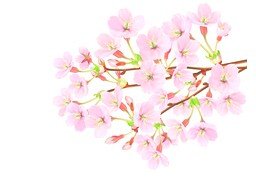
我们喜欢在春天去郊游。wǒ men xǐ huān zài chūn tiān qù jiāo yóu
We like going on outings in spring.
The part of the year when temperatures rise, plants begin growing, and the weather becomes milder.
在春天zài chūn tiān
in spring
春天的景色chūn tiān de jǐng sè
spring landscape
春chūn: A time of year when flowers start blooming and the air grows warmer.
夏天xià tiān: The part of the year marked by high temperatures and hot weather.
秋天qiū tiān: The part of the year when temperatures drop and leaves take on new colors.
冬天dōng tiān: The part of the year marked by low temperatures and cold weather.
一年里四季之一,通常气温回升、花草萌动,也常用来指该时期的天气状况。yì nián lǐ sì jì zhī yī tōng cháng qì wēn huí shēng huā cǎo méng dòng yě cháng yòng lái zhǐ gāi shí qī de tiān qì zhuàng kuàng
春天 (chūntiān, "spring") joins 春 (chūn, "spring") and 天 (tiān, "time") to frame spring as a period with its own weather conditions.