

Chinese Conversation · Level 57
90 words
Search Chinese words by characters, pinyin or English meaning.
Dictionaries
Quick links
Browse
 MotiSpiOfficial conversation app

Chinese word
Pinyinhūn àn
房间有点昏暗,需要开灯。fáng jiān yóu diǎn hūn àn xū yào kāi dēng
The room is a little dim, so the light needs to be turned on.
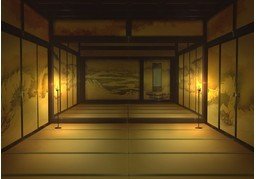
夜里小巷很昏暗,走路要小心。yè lǐ xiǎo xiàng hěn hūn àn zǒu lù yào xiǎo xīn
At night, the alley is very dim, so be careful when walking.
Light is present but weak, making details hard to see and giving the surrounding scene a heavy tone.
角落昏暗jiǎo luò hūn àn
dim corner
走廊昏暗zǒu láng hūn àn
dim hallway
阴暗yīn àn: A poorly lit place with many shadows feels dark and gloomy.
暗淡àn dàn: Light or color that is faint and unclear has little brightness.
阴沉yīn chén: Overcast weather or a gloomy expression can create a heavy, downcast feeling.
光线不足且色调晦暗,既表示看不清,也常用来形容氛围的阴郁和沉闷。guāng xiàn bù zú qiě sè diào huì àn jì biǎo shì kàn bù qīng yě cháng yòng lái xíng róng fēn wéi de yīn yù hé chén mèn
昏 (hūn, "dusky") + 暗 (àn, "dark") combine two overlapping ideas of reduced light, which extends the word from visual conditions to the mood of a scene.