

HSK · Level 77
45 words
Search Chinese words by characters, pinyin or English meaning.
Dictionaries
Quick links
Browse
 MotiSpiOfficial conversation app

Chinese word
Pinyinshí kōng
她常说如果能回到另一个时空就好了。tā cháng shuō rú guǒ néng huí dào lìng yí gè shí kōng jiù hǎo le
She often says it would be nice to return to another time and space.
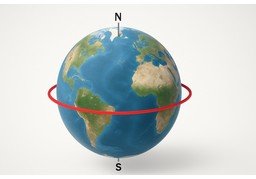
小说中人物通过时空隧道回到过去。xiǎo shuō zhōng rén wù tōng guò shí kōng suì dào huí dào guò qù
In novels, characters return to the past through a space-time tunnel.
A single framework that locates an event by both when it happens and where it happens.
时空穿越shí kōng chuān yuè
time travel
时空隧道shí kōng suì dào
space-time tunnel
时空旅行shí kōng lǚ xíng
time travel
时间shí jiān: The order of events and the length of time.
空间kōng jiān: The place or range where objects or events spread out.
时刻shí kè: One exact time point.
时段shí duàn: A set part or stretch of time.
表示时间与空间作为一个统一整体的概念,常用于描述事件发生的时刻和地点之间的关系。biǎo shì shí jiān yǔ kōng jiān zuò wéi yí gè tǒng yì zhéng tǐ de gài niàn cháng yòng yú miáo shù shì jiàn fā shēng de shí kè hé dì diǎn zhī jiān de guān xì
时空 (shíkōng, "time and space") combines 时 (shí, "time") and 空 (kōng, "space") to treat when and where as one frame.